- May 28, 2024
Is Your Samsung Washer Too Loud? How to Diagnose Banging, Grinding & Squeaking Noises
Few things disrupt the peace of a quiet home like a washing machine that sounds like it’s trying to launch itself into orbit. If your Samsung washer has started making unusual noises—banging, grinding, squeaking, or rattling—you’re probably wondering whether it’s a minor issue or a sign of serious trouble.
The good news is that most noisy washer problems can be diagnosed and often fixed without calling a technician. This comprehensive guide will help you identify what those sounds mean, how to troubleshoot them, and when it’s time to call a professional.
First, Understand Normal Washer Noises
Before we dive into troubleshooting, it’s important to know that some noise is completely normal. Your Samsung washer will make operational sounds during different phases of the wash cycle. The sound of water swishing, the motor humming, and even the drain pump activating are all part of normal operation.
What’s NOT normal: Let’s break down the most common unusual noises and what they mean.


Sound #1: Banging or Thumping During Spin Cycle
What it sounds like: A heavy, rhythmic thumping or banging noise, often accompanied by the washer shaking or “walking” across the floor.
Common Causes:
- Unbalanced load: Washing a single heavy item (like a comforter) or an unevenly distributed load
- Overloading: Stuffing too many clothes into the drum
- Shipping bolts still installed: Transportation bolts were not removed after delivery
- Unlevel surface: Washer is not sitting flat on the floor
- Worn suspension rods: The rods that stabilize the drum have lost their tension
How to Fix It:
Step 1: Stop the washer and redistribute the load. If you hear banging at the start of the spin cycle, pause the machine and rearrange the clothes evenly around the drum. Try mixing heavy items with lighter ones—a single heavy item is a common culprit.
Step 2: Check for overloading. Your Samsung washer has a maximum capacity (often listed on the control panel). Overloading prevents proper tumbling and can cause violent shaking.
Step 3: Ensure the washer is level. Use a spirit level on top of the machine. If it’s not level, adjust the front feet by twisting them clockwise to lower or counterclockwise to raise.
Step 4: Confirm shipping bolts are removed. If your washer is new and you never saw the technician remove bolts from the back, check immediately. Operating with shipping bolts in place can cause severe damage.
Step 5: Inspect suspension rods. If the banging persists despite a balanced load and level installation, the suspension rods may be worn. These act as shock absorbers that allow the tub to move while minimizing vibration.
Sound #2: Grinding Noise
What it sounds like: A harsh, mechanical grinding—like metal scraping against metal. Sometimes described as “gear grinding”.
Common Causes:
How to Fix It:
Step 1: Check for foreign objects. Run your hand along the inside of the drum (carefully) and check the drum’s edges for small items. Metal buttons or zippers can also cause noise—try turning garments inside out.
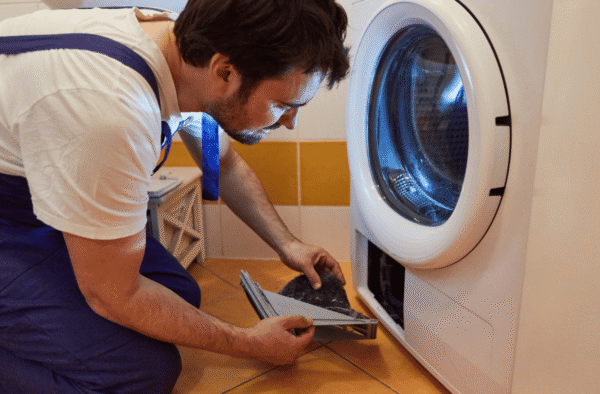
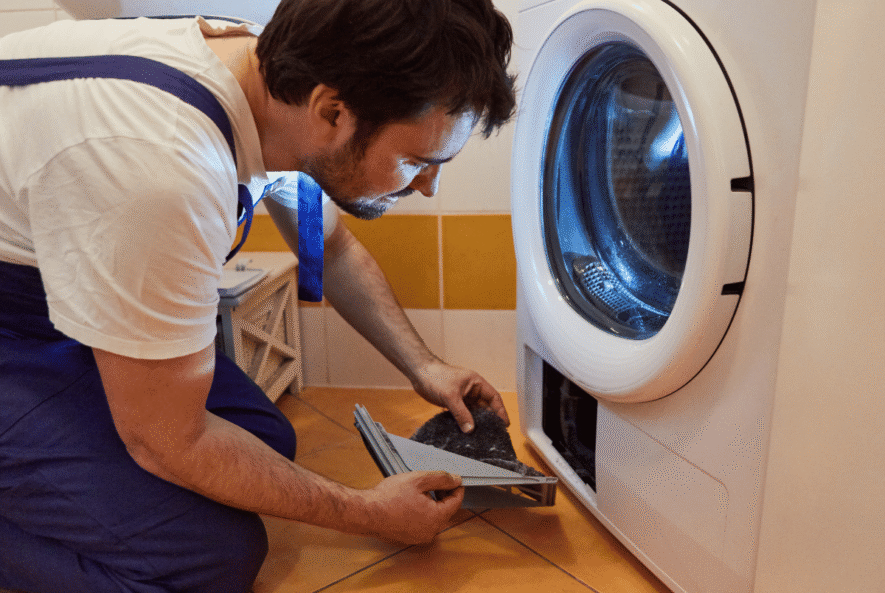
Step 2: Inspect the drain pump. If the grinding occurs during the drain cycle, the pump may have debris inside. The pump filter is typically located behind a small access panel at the front bottom of the washer. Clean it out and check for obstructions.
Step 3: Run a diagnostic test. Samsung washers have a built-in diagnostic mode. Run the diagnostics to see if any error codes appear—especially error code 3C, which indicates a motor defect.
Step 4: Consider bearings or motor. If grinding continues with no foreign objects and no error codes, the issue may be worn drum bearings or a failing motor. These repairs require professional service.
Sound #3: Squeaking or Squealing
What it sounds like: A high-pitched squeaking, often rhythmic or occurring during agitation or spinning.
Common Causes:
How to Fix It:
Step 1: Inspect the door seal. Check the rubber gasket around the door for any damage or debris. If the seal is torn or loose, it can rub against the drum during spin cycles, creating a squeaking sound.
Step 2: Check the belt (for top-loaders). If your washer is a top-load model and the squeaking occurs during agitation or spin, the drive belt may be worn. A slipping belt often produces a squealing noise.
Step 3: Run a small load test. Sometimes squeaking only happens with large or heavy loads. Try a small, balanced load to see if the noise persists.
Sound #4: Loud Vibration or “Walking”
What it sounds like: The entire machine is shaking violently, sometimes moving across the floor.
Common Causes:
How to Fix It:
Step 1: Balance the load. For front-load washers, some thumping at the beginning of the spin cycle is normal as the machine balances the load. If it continues throughout the spin, stop and redistribute .
Step 2: Level the machine. Use the adjustable feet to ensure the washer is perfectly level on all sides.
Step 3: Replace suspension rods. According to repair data, 39% of shaking issues are caused by worn suspension rods . If your washer is several years old and shakes despite balanced loads, replacement rods often solve the problem .
✅ When to Call a Professional
A noisy Samsung washer doesn’t automatically mean expensive repairs or replacement. In many cases, the fix is as simple as redistributing the load, leveling the machine, or cleaning out a stray coin from the drum.
Start with the basics: check for unbalanced loads, ensure the washer is level, and verify shipping bolts are removed. If banging persists, worn suspension rods are the most likely culprit—and they’re affordable to replace . For grinding noises, act quickly to prevent damage to bearings or the motor.
By understanding what your washer’s noises mean, you can diagnose the problem with confidence and decide whether it’s a DIY fix or time to call a professional.